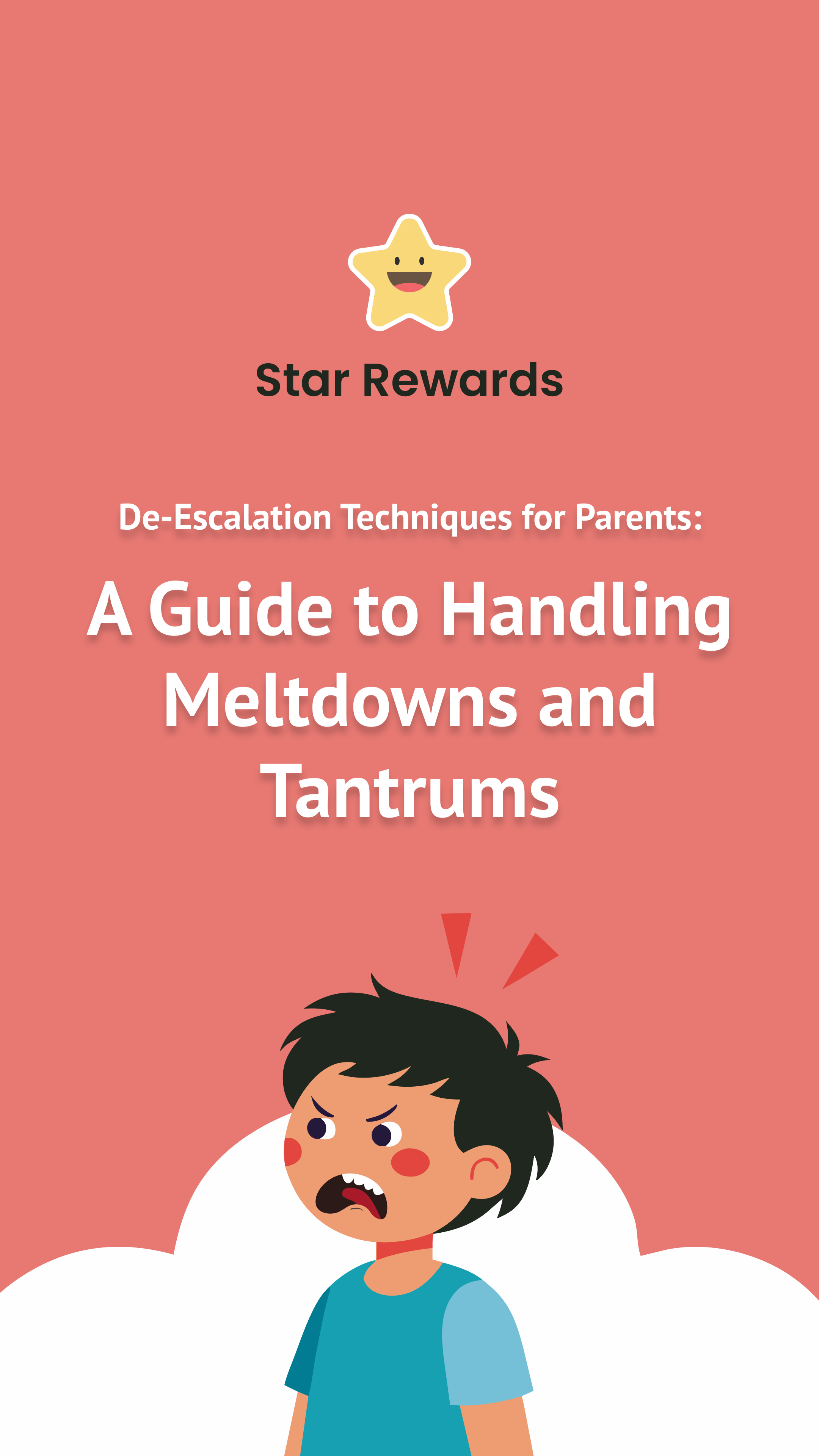
Picture this: You’re at the grocery store, your cart is full, and suddenly your 6-year-old erupts into a full-blown meltdown over a candy bar. Sound familiar? Don’t worry, mama – we’ve all been there, and we’ve got your back!
As a mom of three and a child psychologist, I’ve seen (and lived through) more tantrums than I can count. Today, I’m sharing my tried-and-true de-escalation techniques that will help you navigate these stormy moments and restore calm to your home. Trust me, these strategies are game-changers!
Why Tantrums Happen (And Why It’s Not Your Fault)
First things first: tantrums are a normal part of child development. They’re not a sign of bad parenting or a “difficult” child. Dr. Emily Carter, a renowned child psychologist, explains, “Tantrums often occur when a child’s emotional brain overwhelms their logical brain. It’s like their feelings hit the gas pedal before their reasoning can pump the brakes.”
Understanding this can help us approach meltdowns with empathy and patience. Now, let’s dive into those de-escalation techniques!
1. The Power of the “Time-In”
Forget old-school “time-outs.” Welcome to the world of “time-ins”!
How it works: When your child starts to lose it, invite them to a cozy, quiet spot (like a pillow corner or a special “calm down” chair). Stay close, offering comfort without pressure.
Why it works: “Time-ins maintain connection during emotional storms,” says Dr. Carter. “This helps children feel safe enough to process their big feelings.”
Real mom tip: Sarah, mom of two, shares: “We created a ‘Cozy Corner’ with soft pillows and twinkle lights. It’s become our go-to spot for meltdowns, and sometimes I even use it myself for a mommy time-out!”
2. Validate, Then Redirect
This two-step approach is pure magic for diffusing tension.
Step 1: Validate – Let your child know you hear and understand their feelings. “I see you’re really upset about not getting that candy bar. It’s disappointing when we can’t have something we want.”
Step 2: Redirect – Once they feel heard, gently guide them towards a solution or distraction. “What if we picked out a special fruit for dessert tonight instead?”
Why it works: Validation helps children feel understood, which naturally calms their nervous system. Redirection gives them a positive way to move forward.
3. The “Calm Down Kit” – Your Secret Weapon

Create a special box or bag filled with calming items your child can use when emotions run high.
What to include:
- Stress balls or squishy toys
- A glitter jar (DIY alert!)
- Coloring books and crayons
- Bubbles (blowing bubbles naturally slows breathing)
- A favorite stuffed animal
- Noise-canceling headphones
Pro tip: Let your child help choose items for their kit. This gives them ownership and makes them more likely to use it.
4. Breathe Like a Superhero
Make deep breathing fun and engaging for kids.
Try this: “Let’s pretend we’re superheroes charging up our power. Breathe in through your nose for 3 counts, hold for 1, then whoosh it out like you’re blowing out birthday candles.”
Why it works: Deep breathing activates the body’s relaxation response, helping to calm both body and mind.
5. The “Feelings Thermometer”
Help your child identify and express their emotions with a visual aid.
How to make it: Draw a large thermometer on paper. Label the bottom “Calm” and the top “About to Explode!” Use different colors for each section.
How to use it: When emotions start to rise, ask your child to point to where they are on the thermometer. This opens up a conversation about feelings and coping strategies.
6. The Post-Storm Check-In
Once the meltdown has passed, have a calm discussion about what happened.
Key points to cover:
- What triggered the big feelings?
- What physical signs did they notice in their body?
- Which coping strategies helped the most?
- What might we try next time?
This reflection helps build emotional intelligence and prepares both of you for future challenges.
Remember, You’re Doing Great!
Parenting isn’t about perfection – it’s about progress. Every meltdown you navigate is an opportunity to teach your child valuable emotional regulation skills. You’ve got this, mama!
Your turn: What de-escalation techniques have worked for your family? Share your stories in the comments – your experience might be just what another parent needs to hear today!
Leave a Reply