As parents, our children’s safety is our top priority. While it’s a topic that can make us uncomfortable, having open, age-appropriate conversations about personal safety is crucial in protecting our little ones.
Today, we’re diving into how we can equip both ourselves and our children with the knowledge and tools to stay safe.
Starting the Conversation
First things first, take a deep breath. These conversations might feel daunting, but remember – you’re not alone. Every parent faces this challenge, and by addressing it, you’re already taking a huge step in protecting your child.
Dr. Lisa Martinez, a child psychologist specializing in trauma prevention, advises: “The key is to make these talks a natural part of your family dialogue. Start early, keep it age-appropriate, and revisit the topic regularly.”
Questions to Ask Your Child
- “Do you know the difference between good touches and bad touches?” Explain that good touches make them feel safe and loved (like hugs from family), while bad touches make them feel uncomfortable or scared.
- “What would you do if someone asked you to keep a secret that made you feel weird or scared?” Emphasize that there should never be secrets from Mom and Dad, especially if they make them feel bad.
- “Who are the trusted adults in your life that you can talk to if you’re worried about something?” Help them identify several trusted adults, both within and outside the family.
- “What would you do if a grown-up asked you to do something that felt wrong?” Teach them it’s okay to say “no” to adults in situations that feel unsafe.
- “Do you know what private parts are and why they’re private?” Use proper terms for body parts and explain that private parts are not for others to see or touch.
Empowering Your Child: The “What If” Game
Turn safety lessons into a game to make them more engaging and less scary. Play “What If” scenarios:
- “What if someone you don’t know offers you a ride home?”
- “What if someone touches you in a way that makes you uncomfortable?”
- “What if someone online asks for personal information or to meet in person?”
Praise their responses and gently guide them towards safe actions.
Let’s dive deeper into making this game effective:
- Make it a regular activity: Set aside time each week to play the “What If” game. This repetition helps reinforce the lessons and keeps safety at the forefront of your child’s mind.
- Use role-play: Act out scenarios together. This hands-on approach helps children practice their responses in a safe environment.
- Adapt scenarios to your child’s age and experiences: For younger children, focus on simple situations like getting lost in a store. For older kids, include scenarios about online safety or peer pressure.
- Encourage critical thinking: Ask follow-up questions like, “What else could you do in that situation?” This helps children develop problem-solving skills.
- Involve the whole family: Turn it into a family game night activity. Siblings can learn from each other’s responses, and it normalizes these important conversations.
Remember, the goal isn’t to scare your child, but to empower them with knowledge and confidence to handle various situations.
If Something Doesn’t Feel Right: A Plan for Kids
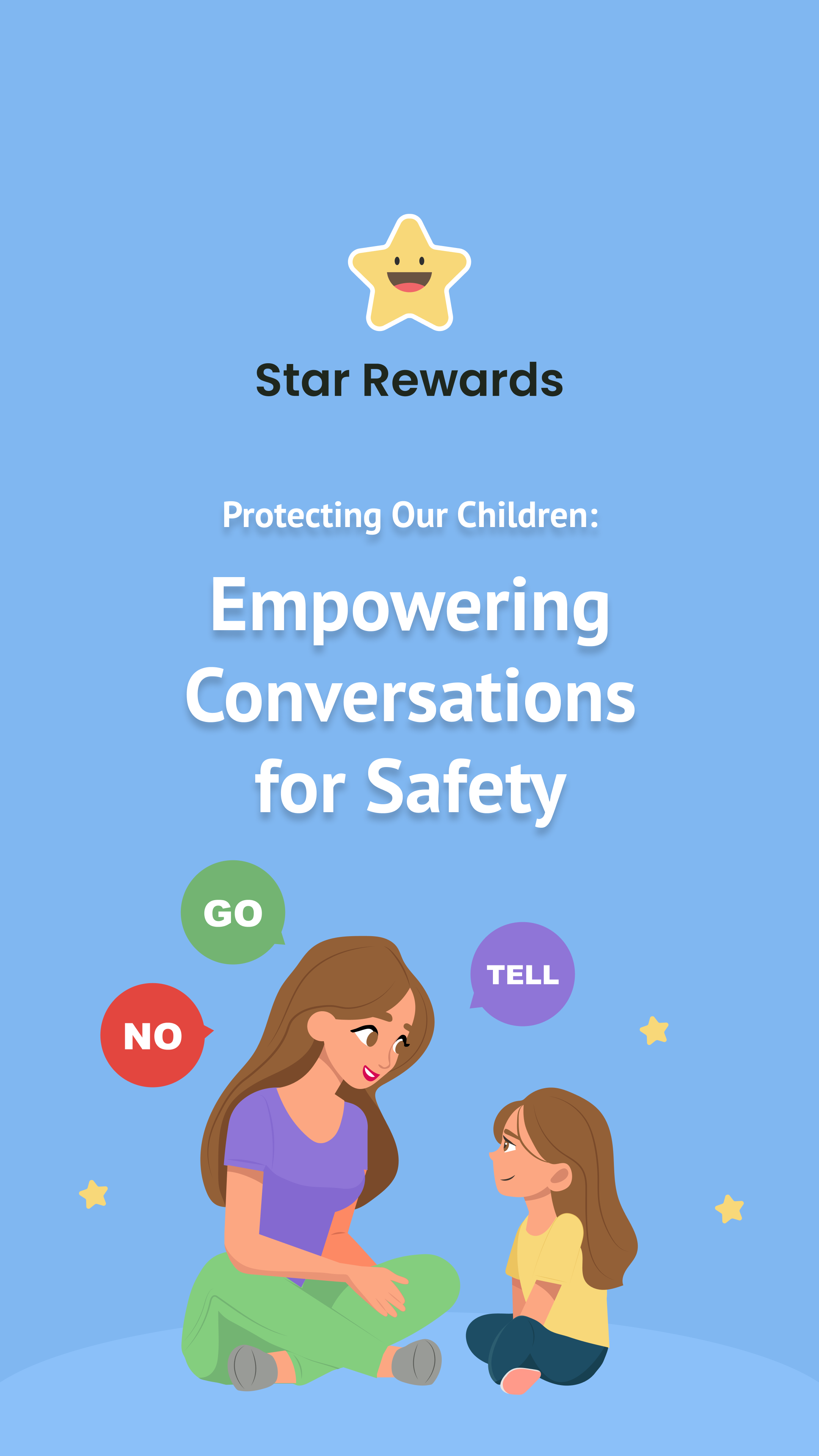
Teach your child the “No, Go, Tell” strategy:
- Say “NO” loudly and clearly
- GO away from the situation immediately
- TELL a trusted adult right away
Reassure them that it’s never their fault and they won’t be in trouble for telling.
Let’s break this down further:
- Practice saying “NO”: Many children struggle with assertiveness, especially towards adults. Practice different ways of saying “no” – firmly, loudly, even yelling if necessary. Make it a fun exercise by having a “NO” contest to see who can say it the loudest or most assertively.
- Identify safe places to “GO”: In different scenarios, help your child identify where they could go to be safe. This might be a neighbor’s house, a store with a cashier, or back to their classroom at school. Create a mental map of safe spaces in their regular environments.
- Role-play “TELL”ing: Practice how to tell an adult about an uncomfortable situation. Use dolls or stuffed animals if direct role-play feels too intense. Emphasize the importance of persisting if the first adult doesn’t listen or understand.
- Discuss body autonomy: Reinforce that their body belongs to them. They have the right to refuse hugs, kisses, or any type of touch, even from family members.
- Create a family safety word: Establish a secret word that only trusted family members know. If someone claims to be sent by the parents, they should know this word.
Dr. James Thompson, a child safety expert, notes: “The ‘No, Go, Tell’ strategy gives children a clear, actionable plan. When practiced regularly, it becomes an automatic response in threatening situations.”
Creating a Safety Network
Help your child identify their “safety network” – at least five trusted adults they can turn to. This could include parents, teachers, school counselors, or trusted family friends.
Expanding on this crucial concept:
- Visual representation: Create a “Safety Hand” craft project. Have your child trace their hand and write the name of a trusted adult on each finger. This visual aid helps them remember their safety network.
- Diverse network: Ensure the network includes adults from different areas of your child’s life – home, school, extracurricular activities. This increases the likelihood of a trusted adult being available in various situations.
- Contact information: For older children, include phone numbers or other contact methods for each person in their safety network. Consider creating a small card they can keep in their backpack or wallet.
- Regular updates: Review and update the safety network periodically. Relationships and circumstances change, so ensure the list remains current and relevant.
- Practice scenarios: Role-play situations where your child might need to reach out to someone in their safety network. This builds confidence in using this resource.
- Empower the network: Inform the adults in your child’s safety network of their role. Provide them with guidelines on how to respond if your child comes to them with a concern.
- Online safety network: For older children using the internet, discuss online safety networks. This might include trusted adults they can turn to if they encounter uncomfortable situations online.
Psychologist Dr. Maria Chen emphasizes: “A well-established safety network gives children a sense of security and support beyond their immediate family. It’s a vital tool in child protection.”
Remember, building a safety network is an ongoing process. As your child grows and their world expands, their network should evolve too. Regular conversations about safety and trust will help keep this network strong and effective.
The Power of Regular Check-ins
Sarah, a mom of three, shares: “We have ‘couch time’ every Sunday where the kids know they can bring up anything. It’s amazing what they’ll share when they know it’s a judgment-free zone.”
When to Seek Help
If you notice sudden changes in behavior, unexplained fear of certain people or places, or any signs of physical abuse, don’t hesitate to reach out to a professional. Your pediatrician can be a great first resource.
Remember, You’re Their Superhero
By having these conversations, you’re giving your child an incredible gift – the power of knowledge and the confidence to speak up. It might feel uncomfortable at times, but you’ve got this, mama!
Let’s continue this conversation in the comments. How do you approach safety talks with your kids? Share your tips and experiences – your insight could be exactly what another parent needs to hear.
Stay strong, stay vigilant, and most importantly, keep those lines of communication wide open. Together, we can create a safer world for all our children.
Leave a Reply